Residential · Wauwatosa, WI
Garage floor epoxy made for Wisconsin winters
Salt, slush and snowmelt are hard on bare concrete. A properly installed coating gives your garage a sealed, cleanable surface that looks finished all year.
- Free written estimate
- Diamond-ground prep
- Samples on site
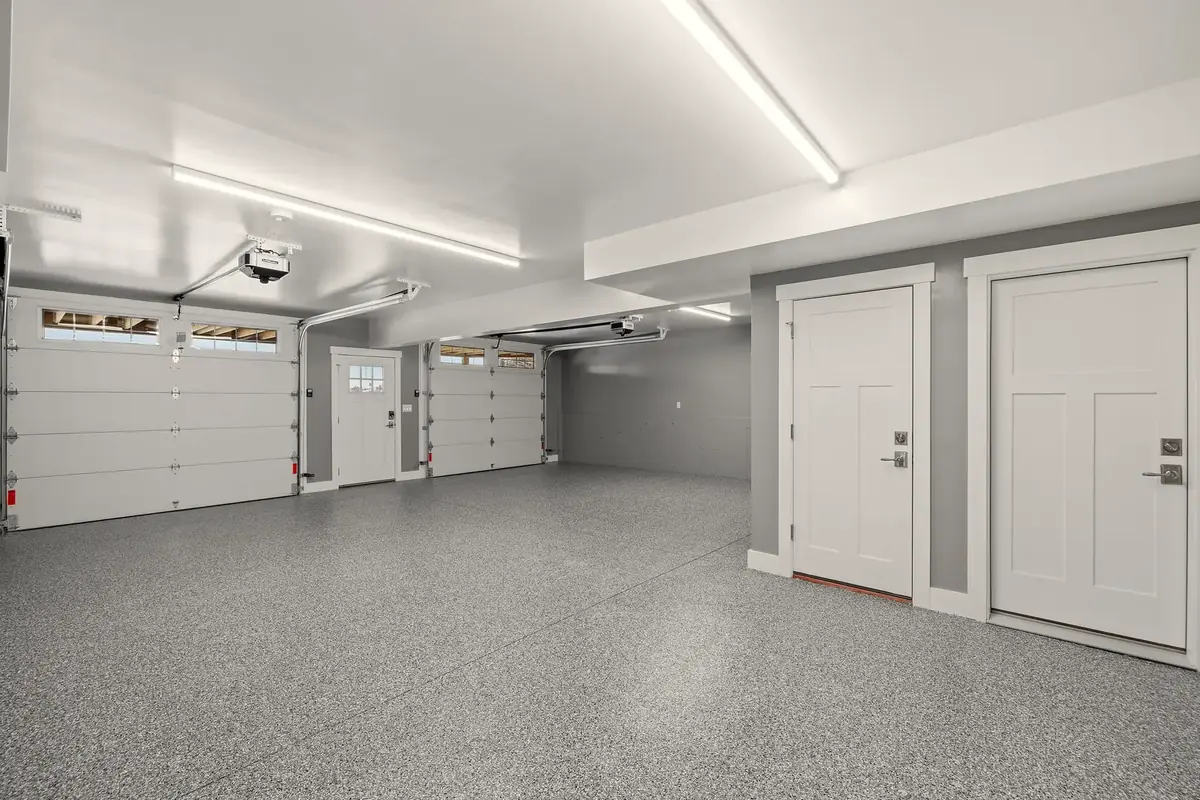
From November to April, every trip into a Wauwatosa garage brings road salt and meltwater with it. On bare concrete, that brine soaks into the surface, leaves white residue and can contribute to scaling and pitting over time. A coated floor sits between the slab and all of that, so slush can be squeegeed out the door instead of soaking in.
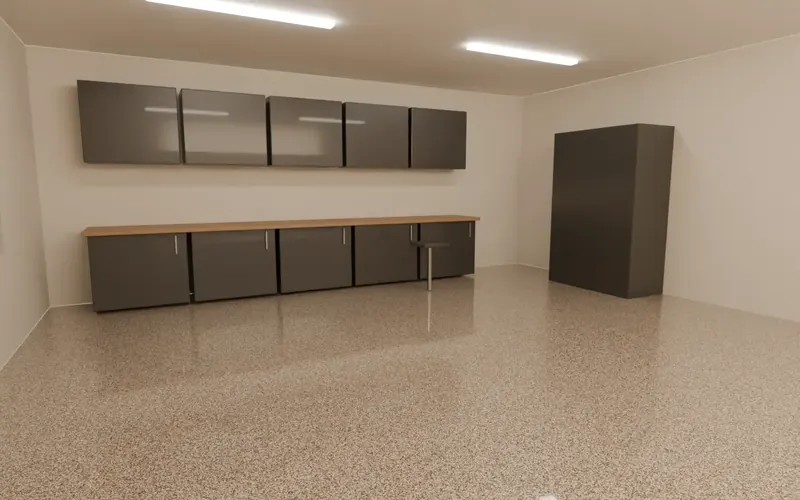
We install garage floors the same way every time: assess the slab, mechanically grind it, repair cracks and pitting, then build the coating in layers. Most homeowners choose a decorative flake system for its texture and forgiveness, but solid-color and metallic finishes are available too.
Garage Floor Epoxy
Why homeowners coat their garages
Winter-ready surface
A sealed floor is easier to squeegee and rinse when salt and slush come in on the car.
Brighter space
Light-colored coatings reflect more light, which helps in garages with limited windows.
Easier cleaning
Oil drips, dirt and leaves wipe up instead of staining porous concrete.
A finished look
The garage starts to feel like part of the house rather than an afterthought.
Process
How we install a garage floor
- 1
Inspection
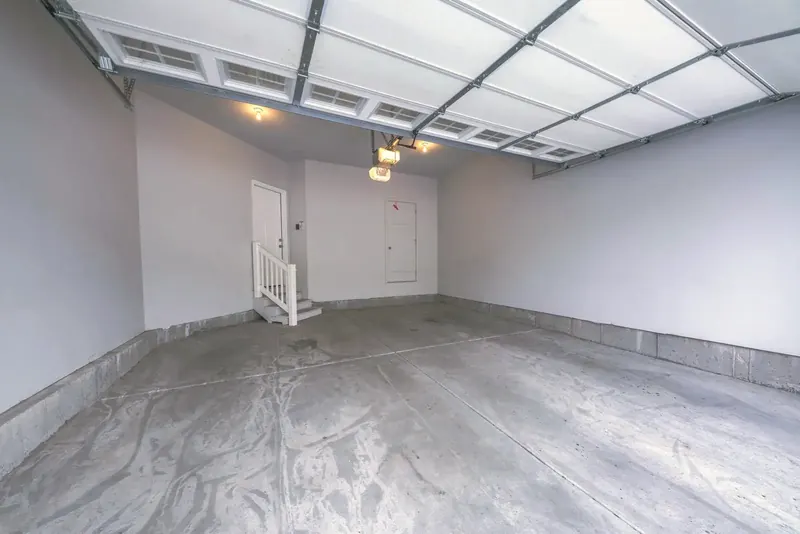
We look for previous sealers, oil, cracks, spalling and signs of moisture or salt damage.
- 2
Diamond grinding
Grinding removes the weak top layer and opens the concrete so the coating can bond.
- 3
Repairs
Cracks, pits and spalled areas near the door are filled and ground flush.
- 4
Base coat and broadcast
A pigmented base coat goes down, with flake broadcast into it if you have chosen a flake finish.
- 5
Topcoat
A clear topcoat locks everything in. Texture can be adjusted for grip on wet winter days.
Options
Popular garage finishes
What a Wisconsin garage floor needs
Cold weather affects installation. Coatings need the slab and air within the manufacturer’s temperature range to cure properly, so in the colder months we check slab temperature and may use heat in an attached garage or adjust the schedule. We will not rush a coat down onto a slab that is too cold.
Garage door edges, apron transitions and areas where slush pools see the most wear. We pay particular attention to those areas during prep, repairing damaged concrete and making sure the coating is fully bonded where it meets the door seal.
FAQ
Garage Floor Epoxy questions
Still have questions? We’re happy to talk them through at your estimate.
Can you install a garage floor in winter?
Often, yes — especially in attached garages. It depends on whether the slab and air can be kept within the products’ temperature range. We check conditions and recommend timing honestly.
Will road salt damage a coated floor?
A properly installed coating protects the concrete from salt soaking in. Salty slush should still be cleaned off regularly, and we will give you simple winter care steps.
How long until I can park on it?
It depends on the system and temperature. We provide written timelines for walking, moving items back and parking.
Do you coat detached garages?
Yes. Detached garages are common in Wauwatosa’s older neighborhoods. Without heat, scheduling is more weather-dependent, so we plan those projects carefully.
Keep exploring
Related services
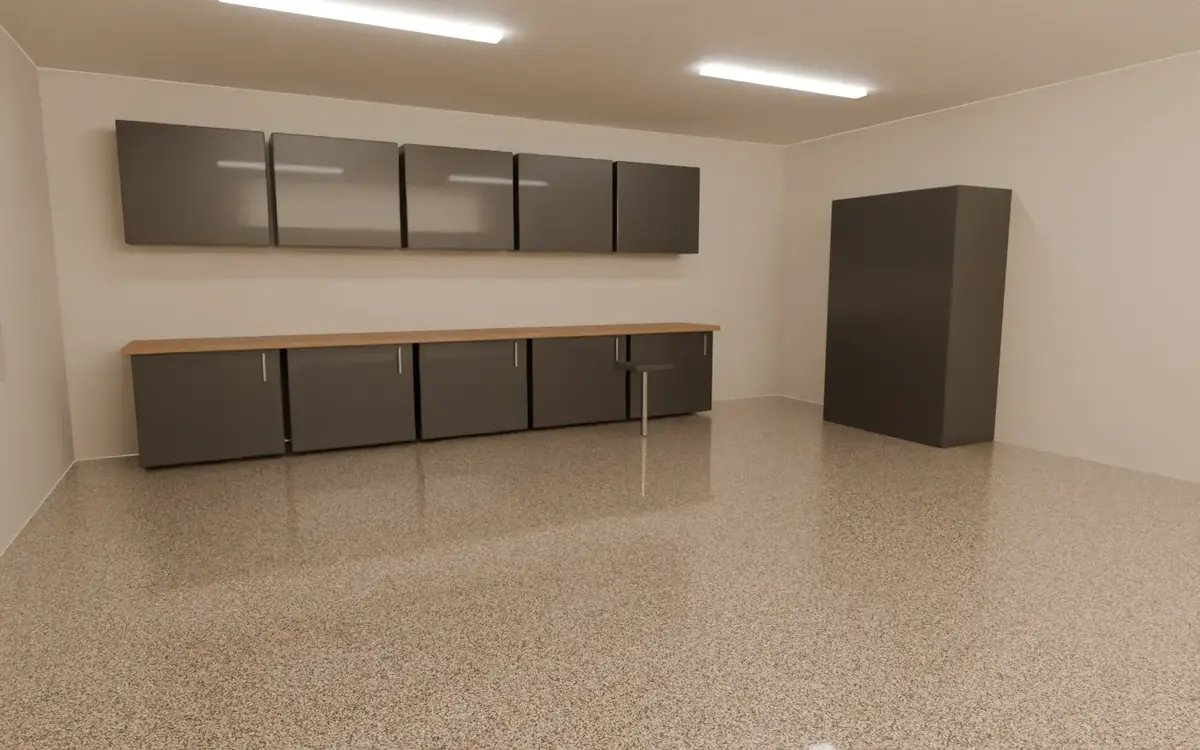 Decorative Flake FlooringTextured chip blends in granite greys, warm tans and custom mixes.Learn more
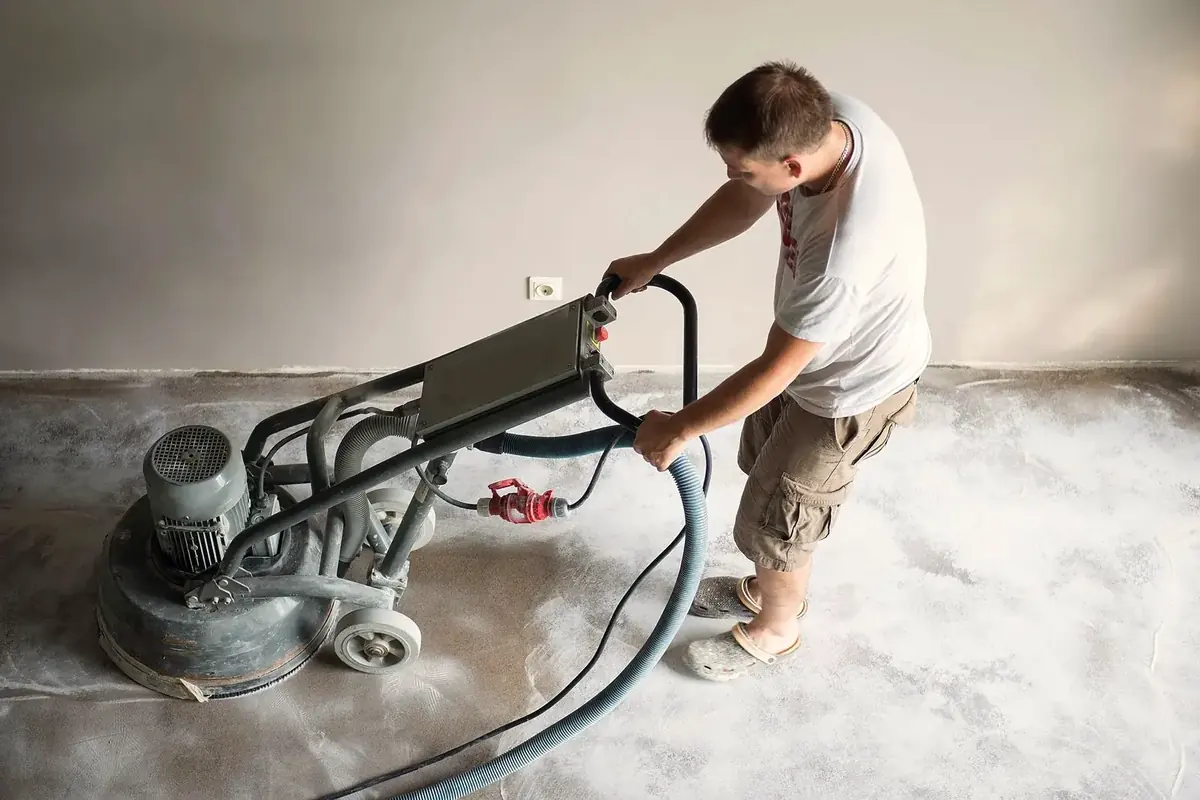 Concrete Preparation & RepairGrinding, coating removal and repair of cracked, pitted or spalled slabs.Learn more
 Workshop & Home Gym FloorsDurable, cleanable floors for tools, projects, bikes and weights.Learn more